Top 10 Mind-Blowing Gadgets from CES 2026 You Didn’t Know Existed
Discover the future of tech with the top 10 mind-blowing gadgets from CES 2026. From stair-climbing robots and brain-sensing headphones to health-predicting mirrors, explore the innovations redefining our world today.

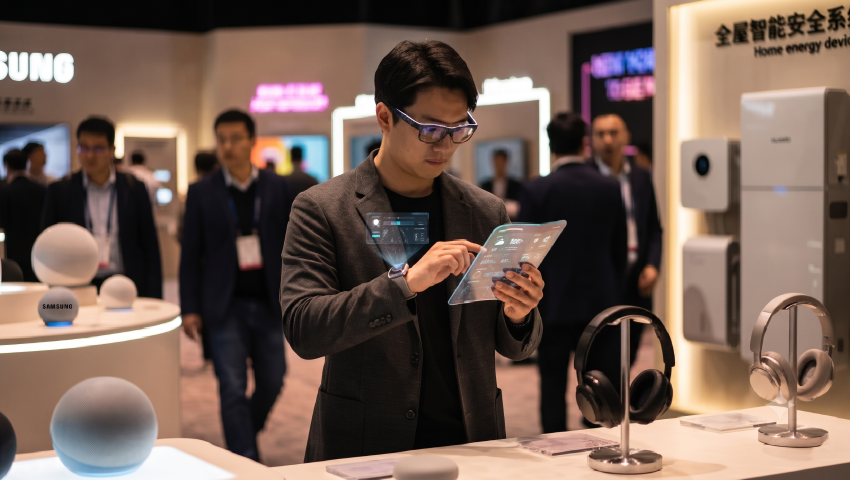
CES 2026 in Las Vegas is where the future shines, ready to welcome us with open arms. Amidst a sea of smartphones and laptops (which sparkle like stars), concepts and services emerge that reveal how we will live, move, and, most importantly, pamper ourselves in the coming years. We’ve discovered ten things we saw at CES 2026 in Las Vegas that promise to change our lives in the years ahead. From home robots to wearables to electric mobility.
And it’s not just gadgets: At CES 2026 in Las Vegas, artificial intelligence is entering homes, art, mobility, and even buildings: Here’s all the news from the world’s leading electronics show.
In this comprehensive exploration, we’ll delve into the top 10 amazing gadgets from CES 2026 that you didn’t know existed, analyzing the engineering marvels that make them possible and the profound impact they’ll have on our daily routines.
The Foldable Revolution Perfected: Samsung Galaxy Z TriFold
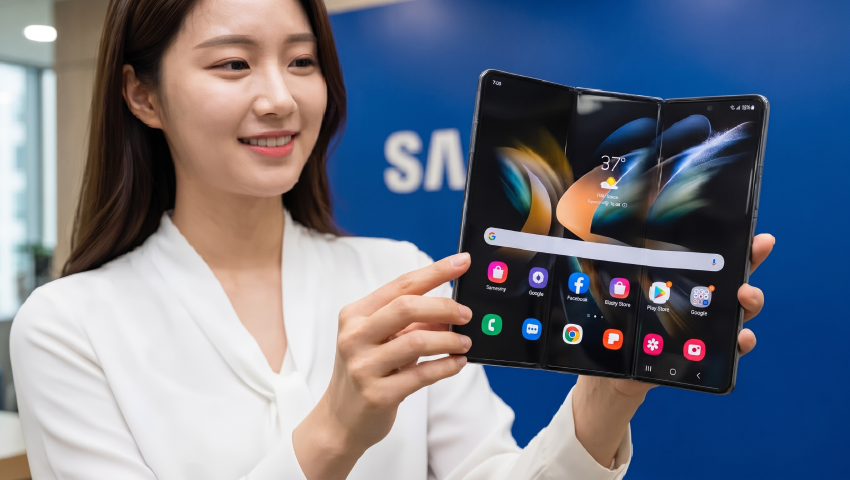
For years, the mobile industry has chased the dream of a device that fits in a pocket but expands into a full-sized workstation. The Samsung Galaxy Z TriFold is the most audacious and polished execution of this concept to date, effectively ending the debate over whether foldables are a gimmick or the inevitable future of mobile computing. By utilizing a sophisticated dual-hinge architecture, the Z TriFold allows a massive, tablet-class display to collapse into a footprint no larger than a standard flagship smartphone, offering a glimpse into a world where the distinction between “phone” and “tablet” no longer exists.
The engineering required to manage a tri-folding display is exponentially more complex than the single-hinge designs of previous years. The Z TriFold must account for two distinct folding directions: an inward fold that protects the primary display and an outward fold that allows a portion of the screen to remain accessible even when the device is closed. This “Z” configuration requires extreme precision in hinge tension and display flexibility to prevent the formation of visible creases or structural failure over time. Samsung has addressed these challenges with a new generation of tandem OLED panels, which stack layers of light-emitting material to increase brightness and durability while maintaining a thin profile.
✅ Engineering the Multi-State Workflow
Beyond the physical hardware, the true genius of the Z TriFold lies in its software adaptation. The device transitions seamlessly between three distinct states: a standard smartphone mode for one-handed use, a dual-screen “book” mode for reading and side-by-side multitasking, and a full triple-screen mode that offers a cinematic aspect ratio for gaming and productivity. This adaptability makes it a standout member of the Top 10 Mind-Blowing Gadgets from CES 2026 You Didn’t Know Existed, as it effectively replaces multiple devices in a professional’s bag.
The market implications of such a device are profound. At a rumored price of $2,500, the Z TriFold is certainly a luxury item, but it serves as a critical proof of concept for the “computing slab” of the future. As manufacturing processes for these complex hinges and flexible glass substrates improve, we can expect this form factor to trickle down to more accessible price points, eventually becoming the standard for high-end mobile productivity.
The Invisible Cinema Experience: LG OLED Evo W6 Wallpaper TV
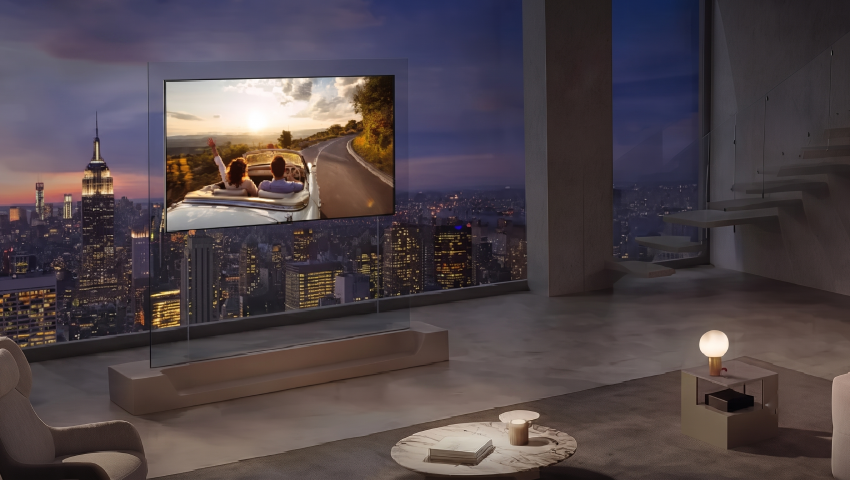
The trajectory of home entertainment has shifted from the pursuit of raw resolution to the seamless integration of displays into the living environment. The LG OLED Evo W6, part of the legendary “Wallpaper TV” lineage, has reached a point of physical impossibility, measuring just 9mm in depth—roughly the thickness of a standard pencil. This achievement is not merely a cosmetic flex; it represents a total decoupling of the display panel from the heavy processing hardware and connectivity ports that usually make TVs bulky.
The secret to this “invisible” profile is the Zero Connect wireless ecosystem. All inputs, from game consoles to satellite boxes, are plugged into a separate Zero Connect hub that can be tucked away in a cabinet up to 10 meters from the screen. This hub transmits a lossless 4K signal at 165Hz to the panel without a single visible wire (other than a razor-thin power cord that can be easily hidden behind a wall). This allows the W6 to sit completely flush against the wall, effectively transforming from an electronic appliance into a piece of digital architecture or art.
✅ Brightness Breakthroughs in OLED Science
Historically, the thinnest OLED panels suffered from lower peak brightness compared to their thicker, more robust counterparts. The W6 shatters this limitation by incorporating Micro Lens Array (MLA) technology, which uses billions of microscopic lenses to redirect light that would otherwise be lost inside the panel toward the viewer. This results in a peak brightness of 3,500 nits, an extraordinary figure for OLED technology that ensures HDR content remains vibrant even in sun-drenched living rooms.
The visual experience is further enhanced by “Hyper Radiant Color” technology, which improves black levels and color vibrancy while offering the lowest reflectance in the industry. For the consumer, this means a screen that virtually disappears into the wall when off, yet provides a blindingly bright, reference-quality image when on. It is a masterclass in the “calm tech” philosophy, where the machine stays out of the way until it is needed.
Conquering the Vertical Frontier: Roborock Saros Rover
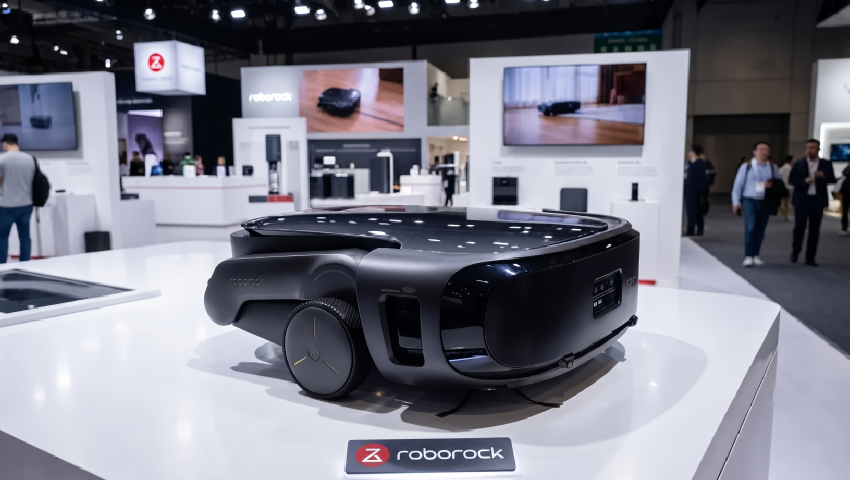
For the last decade, the biggest “fail” in home robotics has been the stairs. While robot vacuums have become incredibly efficient at cleaning single-level apartments, those of us with multi-story homes have been forced to either buy multiple robots or manually haul a single unit up and down the stairs. Enter the Roborock Saros Rover (and its cousin, the Dreame X50 Ultra), which has finally cracked the code of vertical navigation through the use of articulated, extendable legs.
The Saros Rover does not merely “climb” stairs in a clumsy, tank-like fashion; it moves with a calculated agility that is almost animal-like. Its dual-wheel system is mounted on legs that can lift the entire chassis, allowing it to step up onto a tread, rotate to clean the surface, and then move to the next step. This is a massive engineering hurdle overcome, as it requires the robot to constantly shift its center of gravity while maintaining enough downward pressure to vacuum effectively.
✅ Active Cleaning and Stability Logic
What makes the Saros Rover a lock for the Top 10 Mind-Blowing Gadgets from CES 2026 You Didn’t Know Existed is that it cleans as it climbs. To maintain stability on an incline, the robot can turn 90 degrees with one leg on the lower stair to provide a solid base while the vacuum head works the step above it. This prevents the “tipping” problem that plagued early prototypes and ensures that no corner of the home—vertical or horizontal—is left untouched.
This device marks the beginning of the “Whole Home Autonomous Era.” We are no longer talking about a puck that wanders around the living room; we are talking about a sophisticated mobile robot that understands the 3D geometry of a house. This technology effectively removes one of the last remaining chores from the human to-do list, bringing us closer to a truly maintenance-free home.
A Humanoid in Every Home: SwitchBot Onero H1
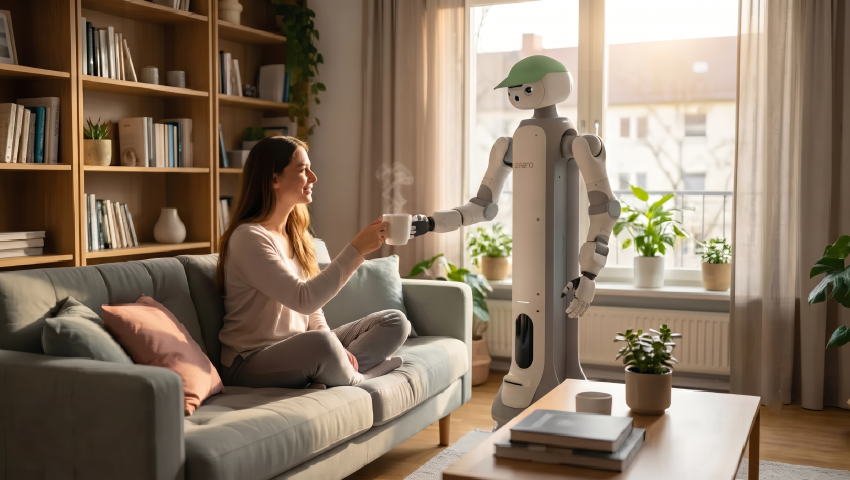
While vacuuming floors is a well-understood problem, the “Holy Grail” of domestic robotics has always been general-purpose assistance—loading the dishwasher, picking up toys, and sorting laundry. The SwitchBot Onero H1 is one of the first humanoid-adjacent robots to move beyond the demo stage and into a format that consumers might actually be able to buy. With a friendly, wheeled base and a pair of articulated arms, the Onero H1 is designed to be a physical extension of your smart home, capable of acting on objects in the real world.
The Onero H1 uses a combination of RealSense cameras and on-device AI models to perceive its surroundings with depth awareness and tactile feedback. In live demonstrations, the robot was seen picking up individual articles of clothing from a couch, rolling over to a washing machine, opening the door, and carefully placing the items inside. While its movement speed is currently slow—taking about two minutes to load a single load—the value proposition is simple: it does the work while you are not there.
✅ The Philosophy of Slow, Steady Progress
The slow pace of the Onero H1 is an intentional design choice aimed at safety and reliability. In a home environment filled with pets, children, and fragile furniture, a robot that moves with high-speed human velocity would be a liability. Instead, the Onero H1 works quietly in the background, treating housework as a marathon rather than a sprint. SwitchBot has indicated that the robot is “learnable,” meaning its capabilities will expand as new training data for more complex chores—like folding clothes or organizing shoes—is pushed via software updates.
Priced at under $10,000, the Onero H1 is a luxury appliance, but it is a monumental step toward the democratization of embodied AI. It represents a shift from “passive automation,” where devices wait for you to press a button, to “active assistance,” where the robot identifies a mess and takes care of it autonomously. For busy professionals or those with limited mobility, this is not just a gadget; it is a life-changing support system.
The Symphony of Taste and Sound: Lollipop Star Bone-Conduction Candy
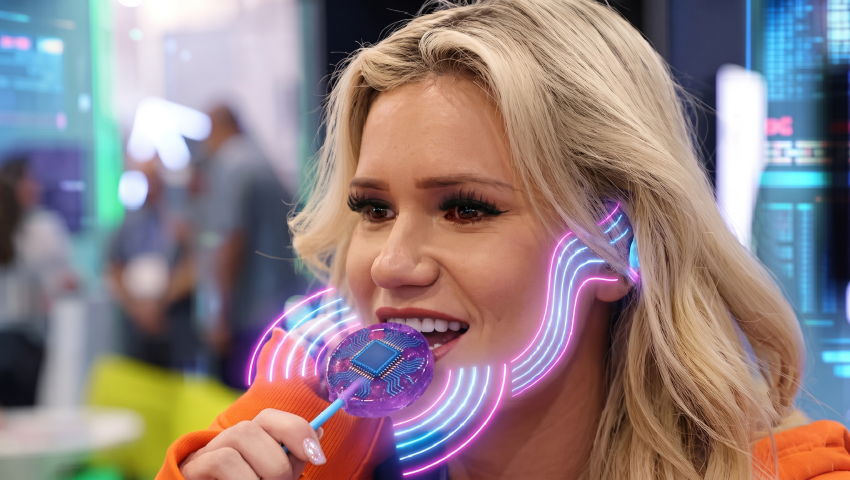
Sometimes, innovation isn’t about productivity; it’s about pure, unadulterated wonder. The Lollipop Star is perhaps the strangest entry in the Top 10 Mind-Blowing Gadgets from CES 2026 You Didn’t Know Existed, yet it perfectly encapsulates the era of sensory augmentation. It is a lollipop that plays music directly inside your head using bone-conduction technology, creating a private “soundstage” that only the person eating the candy can hear.
The stick of the lollipop contains a micro-vibration motor and a Bluetooth module. When you bite down on the candy with your molars, the vibrations travel through your jawbone and skull directly to your inner ear, bypassing your eardrums entirely. The result is a surreal sensation where the music feels like it is “tasting” as much as it is “playing,” as your brain processes the sweet flavor and the beat of a song simultaneously.
✅ A New Frontier for Brand Partnerships
The creators of the Lollipop Star have leveraged this tech to create high-profile artist “flavor drops.”
- Ice Spice: Features a White Peach and Strawberry flavor paired with her latest tracks.
- Akon: Uses a Blue Paradise (Peach/Blueberry) flavor to deliver a bone-conduction version of “Beautiful Day”.
- Armani White: Pairs a Lime Sea Salt flavor with his high-energy discography.
At $8.99 per lollipop, this is the ultimate “why not?” gadget of the decade. While it is a disposable novelty, the underlying bone-conduction science is being used in more serious applications, such as hearing aids and military communication gear. The Lollipop Star simply takes that advanced physics and wraps it in a sugary, pop-culture-infused package, proving that the future of tech can be just as fun as it is functional.
Industrial Science for the Home Chef: Seattle Ultrasonics C-200

If you have ever struggled to slice a soft tomato without squashing it or felt the frustration of sticky cheese clinging to your knife, the Seattle Ultrasonics C-200 is the solution you didn’t know you needed. This is the world’s first ultrasonic chef’s knife designed for home kitchens, utilizing technology originally developed for industrial food processing to make the act of cutting nearly effortless.
The handle of the C-200 contains a small trigger that activates piezoelectric ceramic crystals mounted to the blade. When engaged, the 8-inch Japanese AUS-10 steel blade vibrates at more than 30,000 times per second. These microscopic vibrations (only 10 to 20 microns in distance) reduce friction and prevent food from sticking to the surface, allowing the blade to glide through root vegetables and delicate proteins with 50% less force than a traditional knife.
✅ The Ergonomics of Ultrasonic Cutting
One of the most impressive feats of the C-200 is its sensory isolation. Despite the blade vibrating at high frequency, you feel absolutely no vibration in the handle. It feels like a standard, well-balanced chef’s knife, but it performs like a lightsaber. This makes it an invaluable tool for home cooks with limited hand strength or those who simply want the precision of a professional chef without the years of knife-skills training.
Beyond its cutting prowess, the C-200 is a piece of kitchen art. It can be paired with a solid mahogany charging tile that uses magnetic induction to keep the battery topped up, making it a focal point of any high-end kitchen. It is a quintessential example of how “deep tech” is being refashioned into elegant, consumer-friendly tools that enhance our daily lives.
Spatial Computing at the Speed of Sight: ROG Xreal R1 AR Glasses
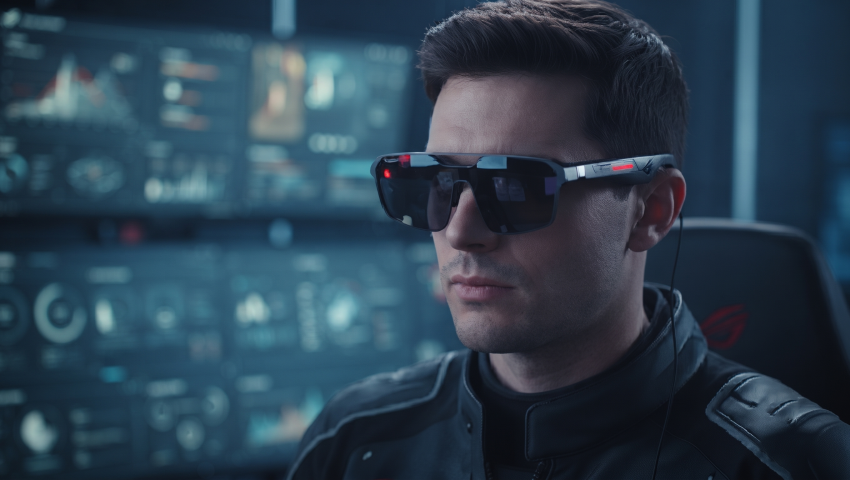
For years, augmented reality has been held back by two major issues: bulky hardware and nauseating latency. The ROG Xreal R1 gaming glasses, a collaboration between Asus ROG and Xreal, represent the first time these barriers have been truly dismantled for the consumer market. These are the world’s first 240Hz micro-OLED AR glasses, providing a refresh rate that even the most expensive spatial computing headsets have yet to achieve.
The R1 glasses project a massive, virtual 171-inch screen into your field of view, appearing with the clarity and color of a high-end gaming monitor. Because of the 240Hz refresh rate, every movement is buttery smooth, making them perfect for competitive gaming on the go or watching fast-paced action movies on a long flight. Unlike previous wearable displays, the R1 feels “one generation away from normal,” looking more like a pair of slightly oversized sunglasses than a piece of heavy tech.
✅ The Hybrid Docking Ecosystem
The true power of the R1 lies in the ROG Control Dock, a dedicated processing hub that allows you to “pin” your virtual screen in 3D space. This means if you are playing a game and turn your head to talk to someone, the virtual screen stays exactly where you left it in the room, rather than following your gaze and causing disorientation. The glasses also feature electrochromic lenses that can tint automatically to match your environment, ensuring the screen remains vibrant even in bright daylight.
For the modern professional or gamer, the R1 replaces the need for multiple monitors or a bulky laptop screen. It offers a private, cinematic experience that fits in a glasses case, making it a cornerstone of the Top 10 Mind-Blowing Gadgets from CES 2026 You Didn’t Know Existed. Whether you are tethered to a gaming handheld or a smartphone, the R1 turns your environment into a high-fidelity digital playground.
Tactile Magic for the Next Generation: LEGO Smart Play
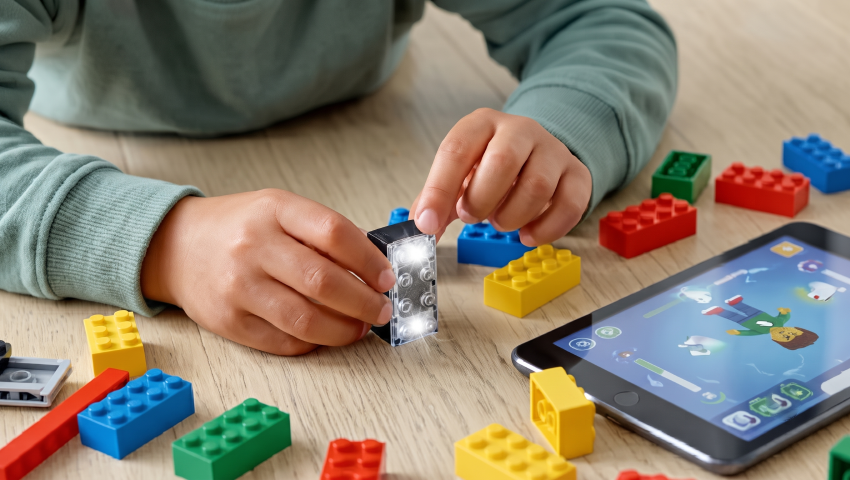
In an increasingly digital world, parents are constantly looking for ways to engage their children in physical, creative play without the distraction of a glowing screen. The LEGO Smart Play system is a revolutionary answer to this need, embedding sophisticated sensors and speakers directly into the iconic plastic bricks to bring creations to life through sound and light.
At the heart of the system is the “Smart Brick,” a standard-sized element that contains an accelerometer, color sensors, proximity sensors, and a miniature speaker. This brick can detect how it is being moved—tilting it causes an X-Wing build to bank its engine sounds, while “whooshing” it through the air triggers a realistic roar. Because the tech is “invisible,” the child remains focused on the physical build rather than an app or a tablet.
✅ A Smart Ecosystem of Tags and Figures
The interactivity is expanded through Smart Tags and Smart Minifigures, which tell the Smart Brick how to behave.
- Contextual Audio: Placing a Darth Vader Smart Minifigure into a TIE Fighter cockpit triggers his iconic breathing and character-specific sounds.
- Responsive Play: Two children playing with different ships can have “battles” where the Smart Bricks detect proximity and play laser-fire and damage sounds in real-time.
- Broad Compatibility: The system uses a color sensor to stay compatible with virtually every LEGO brick ever made, ensuring that “old” sets can still interact with the new smart technology.
LEGO Smart Play is more than just a toy; it is a masterclass in how to use “ambient technology” to enhance—rather than replace—traditional play. It encourages social interaction and imaginative storytelling by providing a reactive, auditory layer to the physical world, making it a standout innovation for families everywhere.
The Cognitive Command Center: Neurable PRIME Neuro-Headphones

Most wearables focus on the body, but the Neurable PRIME (also known as the MW75 Neuro LT) focuses on the brain. These are high-fidelity headphones that double as a lab-grade EEG (electroencephalography) station, designed to help professionals and students optimize their focus and avoid mental burnout.
The earcups are lined with 12 soft, fabric-based EEG sensors that track the electrical activity of your neurons in real-time. By analyzing this data, the Neurable app can determine your “Focus Score,” identifying exactly when you are in a state of “flow” and when your brain is beginning to fatigue. It acts as a cognitive accountability partner, giving you a gentle nudge to take a “Brain Break” before you hit the wall of exhaustion.
✅ Training Your Mind Like a Muscle
The implications for productivity are staggering. Research conducted with early users showed a 33% increase in total focus time, as people became more aware of how their habits—like caffeine intake or sleep quality—impacted their mental performance. It allows you to match your most complex tasks to the times of day when your brain is naturally most “ready”.
Beyond productivity, the Neurable PRIME offers a “Brain Age” metric, giving users a weekly view of their cognitive health and how it is trending over time. It is the ultimate tool for the “bio-hacker” or the high-performance professional, turning the invisible patterns of the mind into actionable data. It earns its spot on the Top 10 Mind-Blowing Gadgets from CES 2026 You Didn’t Know Existed by being one of the first truly useful consumer applications of neurotechnology.
The Mirror of Truth and Longevity: NuraLogix Longevity Mirror
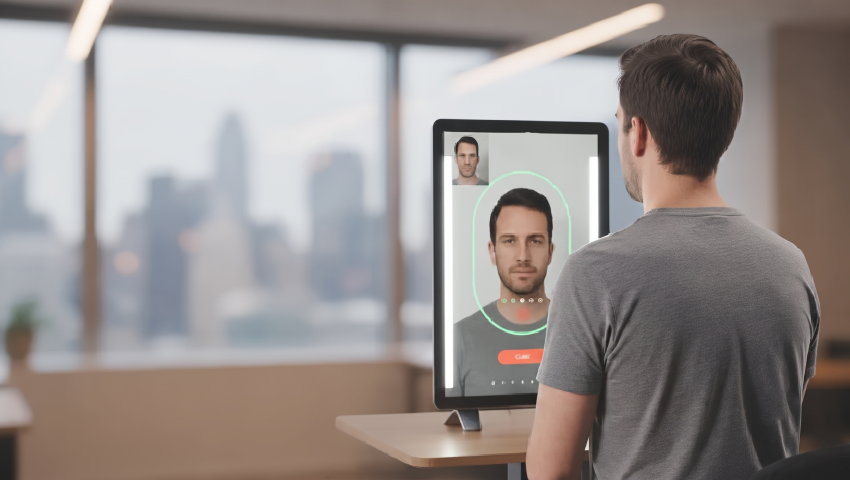
The bathroom mirror is the one thing we all look at every morning, but what if it looked back and told you how healthy you actually were? The NuraLogix Longevity Mirror is a groundbreaking wellness device that uses “Transdermal Optical Imaging” to analyze your facial blood flow patterns through a 30-second selfie.
Using a medical-grade camera and sophisticated AI models trained on hundreds of thousands of patient records, the mirror can estimate over 30 different health markers without you ever needing to wear a sensor or prick your finger. It can provide instant readings on blood pressure, heart rate, metabolic risk, and even mental stress levels. It then compiles this data into a “Longevity Index,” a single score that summarizes your current health and predicts your future health trajectory.
✅ Personalized Health Coaching in the Bathroom
The mirror doesn’t just give you numbers; it provides an AI Health Assistant that suggests lifestyle changes—like specific nutrition tips or exercise routines—based on your current data. It can support up to six different user profiles, making it a central health station for the entire family.
At a price point of $899, it is an investment in long-term health, moving us away from “reactive” medicine (seeing a doctor after you are sick) toward “preventative” medicine (identifying risks years before they become problems). It is perhaps the most profound example of how AI is being used to extend the human healthspan, earning it a permanent place in the pantheon of futuristic tech.
The Infrastructure of Innovation: Local AI and the Silicon Backbone
To understand why the Top 10 Mind-Blowing Gadgets from CES 2026 You Didn’t Know Existed are appearing now, we have to look under the hood at the silicon that powers them. This year marked the arrival of “Edge AI,” a paradigm shift where artificial intelligence no longer lives in the cloud, but directly on the device’s chip. This is enabled by processors like Intel’s Core Ultra 300 “Panther Lake” series and the latest Ryzen AI units, which feature dedicated Neural Processing Units (NPUs) specifically designed to handle AI workloads with extreme efficiency.
This “Silicon Backbone” is critical for three reasons:
- Privacy: Devices like the Neurable PRIME or the NuraLogix Mirror can process sensitive brainwave and facial data locally, ensuring that your private health info never leaves the device.
- Latency: A robot like the Saros Rover or the Onero H1 needs to make split-second decisions to avoid a pet or a child. Waiting for a signal to go to a server and back would be dangerous and impractical.
- Battery Life: On-device AI is significantly more power-efficient than constantly transmitting data over Wi-Fi, allowing wearables and portable gadgets to last all day.
This convergence of high-performance silicon and local AI is what has finally allowed these gadgets to move from “cool prototypes” to “reliable tools” that actually work in the messiness of the real world. We are entering the era of “Ambient Intelligence,” where the devices around us aren’t just connected; they are thinking, perceiving, and acting on our behalf.
Conclusion: Embracing the Era of Ambient Intelligence
Las Vegas is no longer just a city; it’s become a vast, open server. At CES 2026, silicon is no longer just a component; it’s an extension of the nervous system. If artificial intelligence was just a faint promise last year, this year it’s a resounding cry: the AI hardware market aims to surpass $100 billion by 2028, and here in the Nevada desert, we’re witnessing the first real prototypes of our digital “second skin.”