Home Interior Design: Mastering the Art of Living Spaces
Unlock the secrets of professional home interior design. Discover how to balance light, color, and spatial flow to transform your house into a stunning sanctuary.

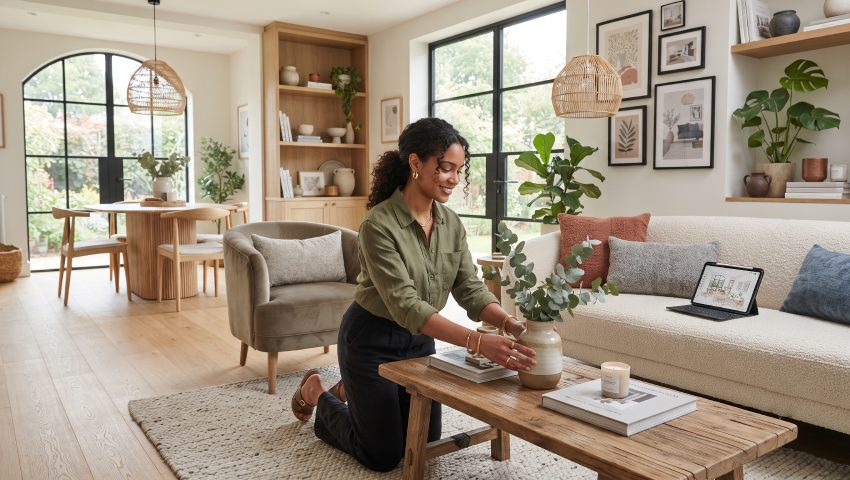
Have you ever walked into a room and felt an immediate sense of calm, or perhaps an unexplained surge of energy? That feeling isn’t accidental. It is the result of meticulously planned home interior design. Most people think design is just about picking out a fancy sofa or painting a wall in a trendy color, but the reality is much more profound. It is the silent language of a building, speaking to our subconscious through proportions, light, and materiality. When we strip away the fluff, interior design is actually about solving problems: how to make a small room feel expansive, how to make a cold room feel warm, and how to turn a generic house into a reflection of your own life story.
In this deep dive, we aren’t going to look at fleeting trends that fade by next season. Instead, we are exploring the architectural DNA of home interior design. We will talk about why certain layouts fail and why others feel like a warm hug. We will examine the friction between aesthetics and utility—the “form follows function” rule that many forget—and how you can apply these high-level concepts to your own project. Creating a beautiful home is a journey of layers, and if you understand these layers, you can bypass the expensive mistakes that most homeowners make when they rush the process without a strategy.
The Concept of Spatial Intelligence in Design
When an architect or a high-end designer looks at a room, they don’t see four walls; they see volume and potential energy. Home interior design starts with the fundamental understanding of spatial intelligence. This is the ability to visualize how an object occupies space and how that occupancy affects the human mind. A common mistake is pushing all the furniture against the walls—a habit that actually makes a room feel like a waiting area rather than a living space. By “floating” furniture away from the walls, you create breathing room, which paradoxically makes the room feel larger and more sophisticated.
Verticality is another often-ignored dimension. Professional home interior design utilizes the height of a room to draw the eye upward, creating a sense of grandeur. This can be achieved through floor-to-ceiling cabinetry, tall indoor trees, or artwork hung slightly higher than eye level. When you balance the horizontal and vertical planes, the room feels stable. It’s about creating “visual weight.” For instance, a heavy dark wood table needs to be balanced by lighter elements, perhaps a glass pendant light or a thin-legged chair, to prevent the room from feeling “bottom-heavy” and depressing.
Beyond the Bulb: The Hidden Layers of Light
If you get the lighting wrong, the most expensive furniture in the world won’t save your design. Lighting is the most emotional component of home interior design. Most people rely on a single “big light” in the center of the ceiling, which is the quickest way to kill the atmosphere of a home. Pros use a “triad” approach. You need ambient lighting for general visibility, task lighting for reading or cooking, and—most importantly—accent lighting to create drama. Think of a restaurant you love; it probably has low lighting with specific spotlights on tables or art. That’s what you want to replicate at home.
Color Temperature (measured in Kelvins) is where the real magic happens. For a home, you usually want to stay in the “warm” range (2700K to 3000K). Cold, blueish light belongs in a hospital or a supermarket, not your living room. In sophisticated home interior design, we also talk about “light washing” and “grazing.” This is when you aim light at a textured wall, like stone or brick, to emphasize its shadows and depth. It’s these subtle touches that separate a home that looks “nice” from one that looks like it belongs on the cover of an architectural digest.
Materiality and the Tactile Experience of a Room
We experience our homes through our skin as much as our eyes. This is the essence of materiality. A room filled with nothing but smooth, plastic-like surfaces feels sterile and cheap. To elevate your home interior design, you must master the art of the “mix.” Imagine a cold, smooth marble countertop paired with warm, rough-sawn oak cabinets. That contrast creates “tactile interest.” The eye sees the difference in texture even before you touch it, and it makes the space feel rich and multidimensional.
Texture also plays a role in acoustics. A room with too many hard surfaces (tile floors, glass tables, bare walls) will have an unpleasant echo. Soft textures—velvet curtains, wool rugs, or even fabric-covered books—absorb sound, making the home feel quieter and more expensive. When selecting materials, think about how they will age. True home interior design luxury is found in “living finishes” like unlacquered brass or natural leather that develop a patina over time. These materials tell a story of a life lived, rather than looking like a temporary showroom floor.
Crafting a Color Narrative That Lasts
Color is more than just a visual choice; it’s a physiological one. Every color has a wavelength that affects our brain chemistry. In home interior design, we often see people choosing colors based on what’s “in” on social media, which is a recipe for regret. Instead, you should choose a color narrative based on the orientation of your windows. A room facing north gets cool, blueish light; if you paint it a cold gray, it will feel like a tomb. A north-facing room needs “warmth”—terracotta, creamy whites, or soft yellows—to balance the natural light.
The “60-30-10” rule is a helpful guide, but the secret of the masters is the “Bridge Color.” This is a shade that sits between your main color and your accent color, softening the transition so the contrast doesn’t feel jarring. Also, consider the “red thread” theory: a small touch of one specific color that appears in every room of the house. It could be a specific shade of navy in a cushion in the lounge, a stripe in a kitchen towel, and a frame in the bedroom. This subtle repetition creates a subconscious sense of unity as you move through the house.
The Philosophy of Furniture: Quality Over Clutter
The current era of “fast furniture” has skewed our perception of what a home should be. We’ve become accustomed to filling rooms with flat-pack items that last three years. However, the core of sustainable and high-end home interior design is the “investment piece.” It is better to have a living room with only a high-quality, comfortable sofa and an empty corner than a room packed with cheap, uncomfortable items. Every piece of furniture should be an “anchor”—something that defines the room’s purpose and stands the test of time.
When selecting furniture, consider the “silhouette.” If you have a room full of square, boxy furniture, the space will feel rigid. Introduce a round coffee table or a curved armchair to break up the lines. This is called “softening the edges.” Also, pay attention to the “negative space.” In home interior design, the space around the furniture is just as important as the furniture itself. It allows the eyes to rest and the architecture to speak. If every square inch is occupied, the design becomes suffocating, and the beauty of individual pieces is lost in the noise.
Understanding the Psychology of Flow and Movement
A well-designed home feels intuitive. You shouldn’t have to think about how to get from the kitchen to the dining table, or where to put your keys when you walk in. This is the “flow.” In professional home interior design, we study the natural paths people take. If you find yourself constantly bumping into the corner of a table, the design has failed. Proper flow requires clear sightlines—being able to see from one end of a space to another, which creates a feeling of security and openness.
Zones are the building blocks of flow, especially in open-plan homes. You can create zones without building walls by using rugs, lighting, or furniture placement. For example, a rug acts as a “boundary” for a seating area. A pendant light hanging low over a table creates an “invisible room” for dining. Understanding how to transition between these zones is what makes a house feel like a cohesive living environment rather than a series of disconnected boxes.
Avoiding Common Professional Design Pitfalls
Even with the best intentions, it is easy to fall into traps that make a home feel “off.” One of the biggest culprits is the “matching set” syndrome. Buying the entire bedroom set from a catalog—bed, nightstands, and dresser all in the same wood—is the fastest way to make a room look like a hotel or a furniture store. Real home interior design is curated. It looks like it was collected over time. Mixing a vintage nightstand with a modern bed frame adds “soul” and personality that a matching set can never achieve.
- Scale Awareness: Ensure your rug is large enough; the front legs of all furniture should at least sit on the rug.
- Art Placement: Most people hang art too high. It should be centered at “gallery height,” which is roughly 57 to 60 inches from the floor.
- Window Treatments: Hang your curtain rods high and wide to make the windows look larger and let in more light.
Another pitfall is ignoring the “entry experience.” The foyer is the handshake of your home. It sets the tone for everything else. Even a small entryway needs a place to land—a console table, a mirror, or a simple hook. If the entry is cluttered or dark, that stress carries into the rest of the house. Successful home interior design prioritizes these transition points to ensure the emotional shift from the outside world to the private sanctuary is smooth and welcoming.
Final Thoughts on a Future-Proof Sanctuary
Ultimately, home interior design is not about impressing your neighbors or following a specific “look” you saw online. It is an act of self-care. It is about creating a backdrop for your life that supports your daily rituals, whether that’s a quiet morning coffee in a sun-drenched nook or a boisterous dinner party in a perfectly lit dining room. When you focus on the fundamentals—light, scale, texture, and flow—you create a home that is “future-proof.” It won’t look dated in five years because it isn’t built on trends; it’s built on the timeless principles of human comfort and architectural harmony.
As you move forward with your own home interior design journey, remember to be patient. A truly great home is grown, not bought all at once. Listen to the space, see how the light moves through it at different times of the day, and let your personal needs dictate your choices. By blending the technical rules of design with your own unique story, you will create a space that doesn’t just look like a house, but feels undeniably like home. It’s about finding that perfect balance where every object has a place, every color has a purpose, and every room has a heartbeat.